Cultural Cycle
The Catalan Countries are mobilising. From now until the concert announced for January at the Palau Sant Jordi, we are activating to remind the world that Palestine is not alone and that, despite attempts to impose silence and a media ceasefire meant to lull us into complacency, we will not look away nor stop organising. This cultural cycle is born to keep the thread of solidarity alive, to refuse forgetting, and to understand culture as a space of resistance as necessary as any other.
Over the coming weeks, and for as long as needed, we encourage you to create reading clubs, documentary cycles and film screenings with a clear goal: to learn and to meet. To meet in order to think together, to share questions, to read and listen to one another. To meet so we never grow accustomed to the silence surrounding a genocide that seems to have settled into our lives. To meet in order to recognise that culture, when it becomes collective, is a powerful tool that makes us stronger and more critical.
This cycle aims to be a space for learning, but also for welcome and articulation. A way of weaving community through books, images and words. So that when we need to build spaces of resistance — solidary, active and lasting over time — they are already created, and we already have one another.
The Catalan Countries do not forget Palestine: they are mobilising.
The reading clubs we promote are an invitation to pause and look at Palestine in depth, beyond the immediate noise — or silence. Books (essays, fiction, memoirs or journalism) open windows that allow us to better understand what has happened and what is still happening in Palestine.
We propose readings that challenge and accompany us, helping us to situate ourselves and to speak from knowledge and critical awareness. What matters is not being experts, but having the desire to think together. Each reading club is an open, flexible and self-managed space that can be organised by anyone or any collective: a library, a civic centre, a group of friends, a classroom or a neighbourhood centre.
The dynamic is simple: choose a book, set a date and invite whoever you wish. If possible, you may include the presence of authors, Palestinian voices or people linked to the solidarity movement, but it is not essential. What matters is the shared path: reading, conversing and generating tools to refuse the normalisation of silence.
UN CRIT PELS INFANTS DE GAZA
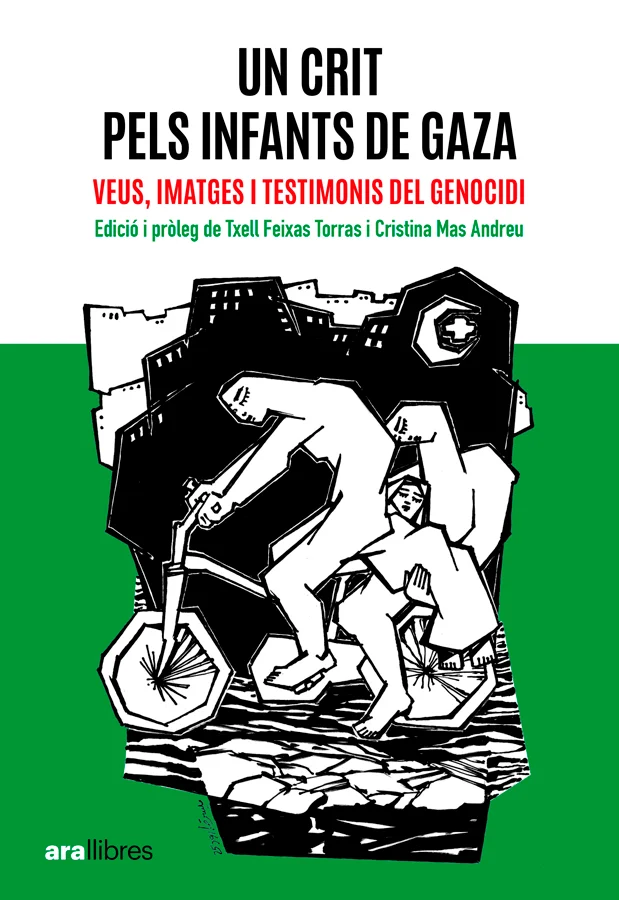
NAKBA
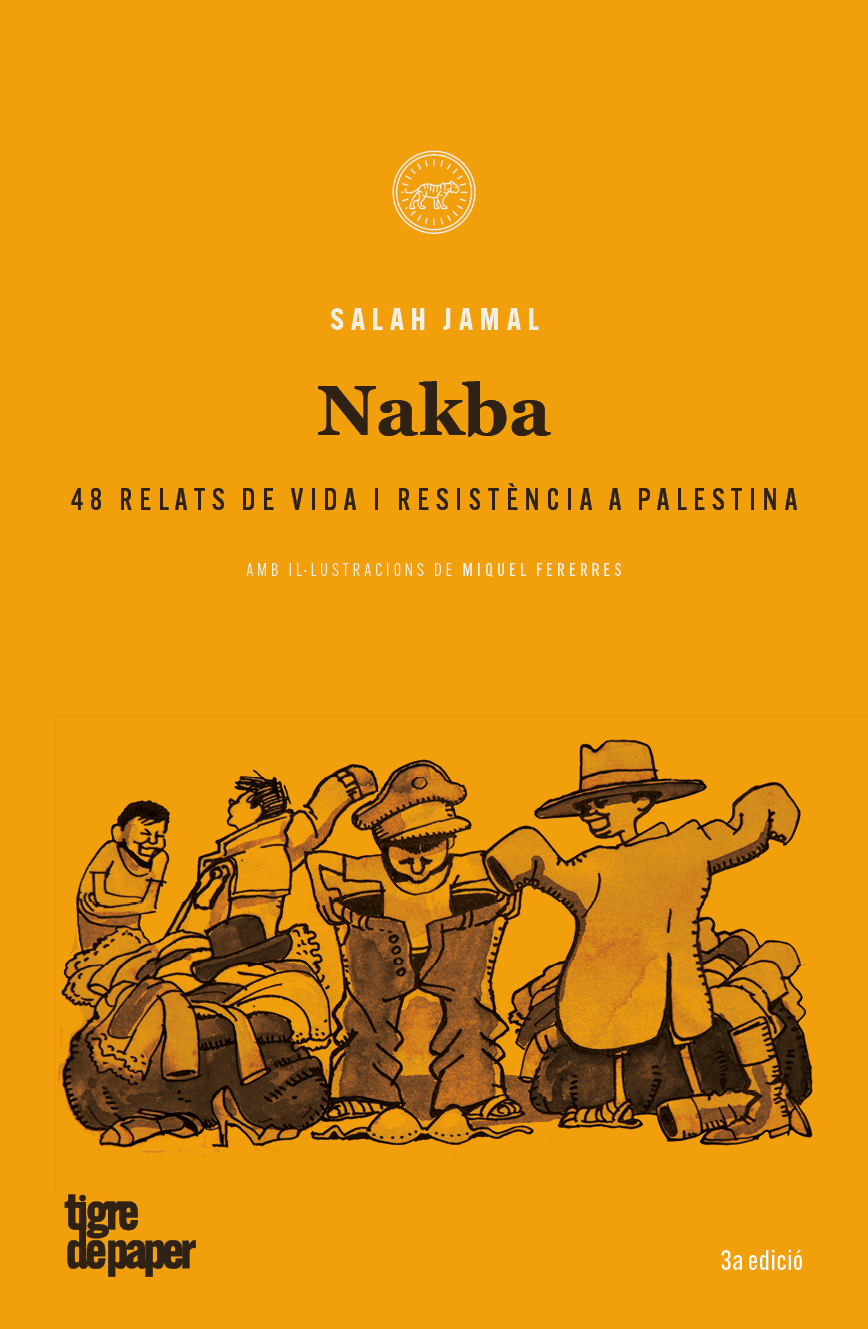
PALESTINA. UNA HISTÒRIA ESSENCIAL
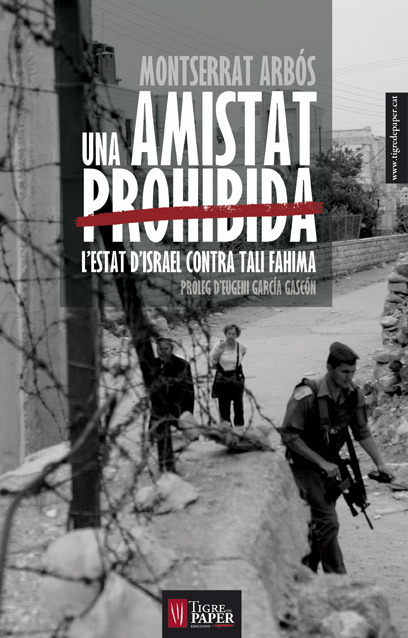
UNA AMISTAT PROHIBIDA
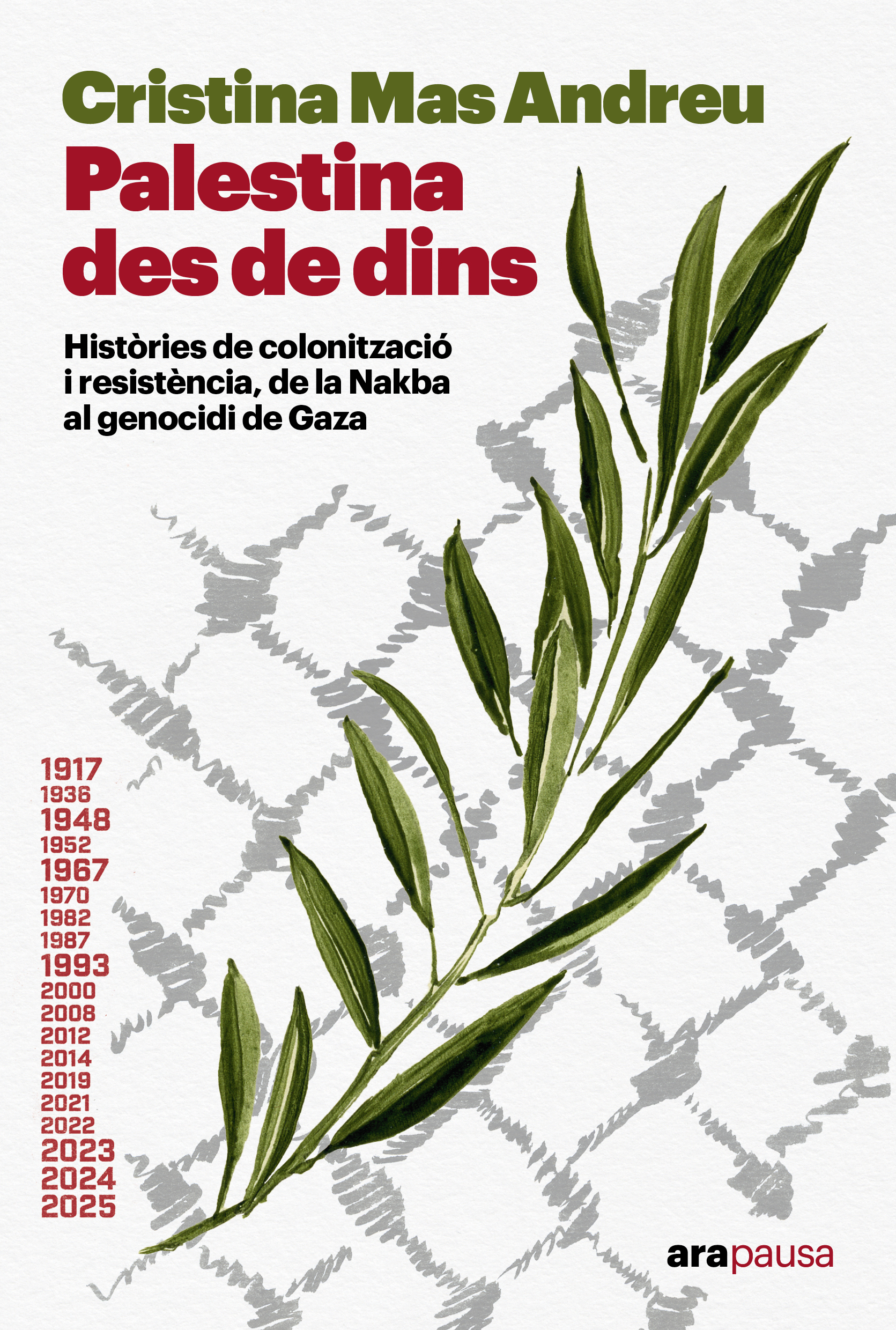
PALESTINA DES DE DINS
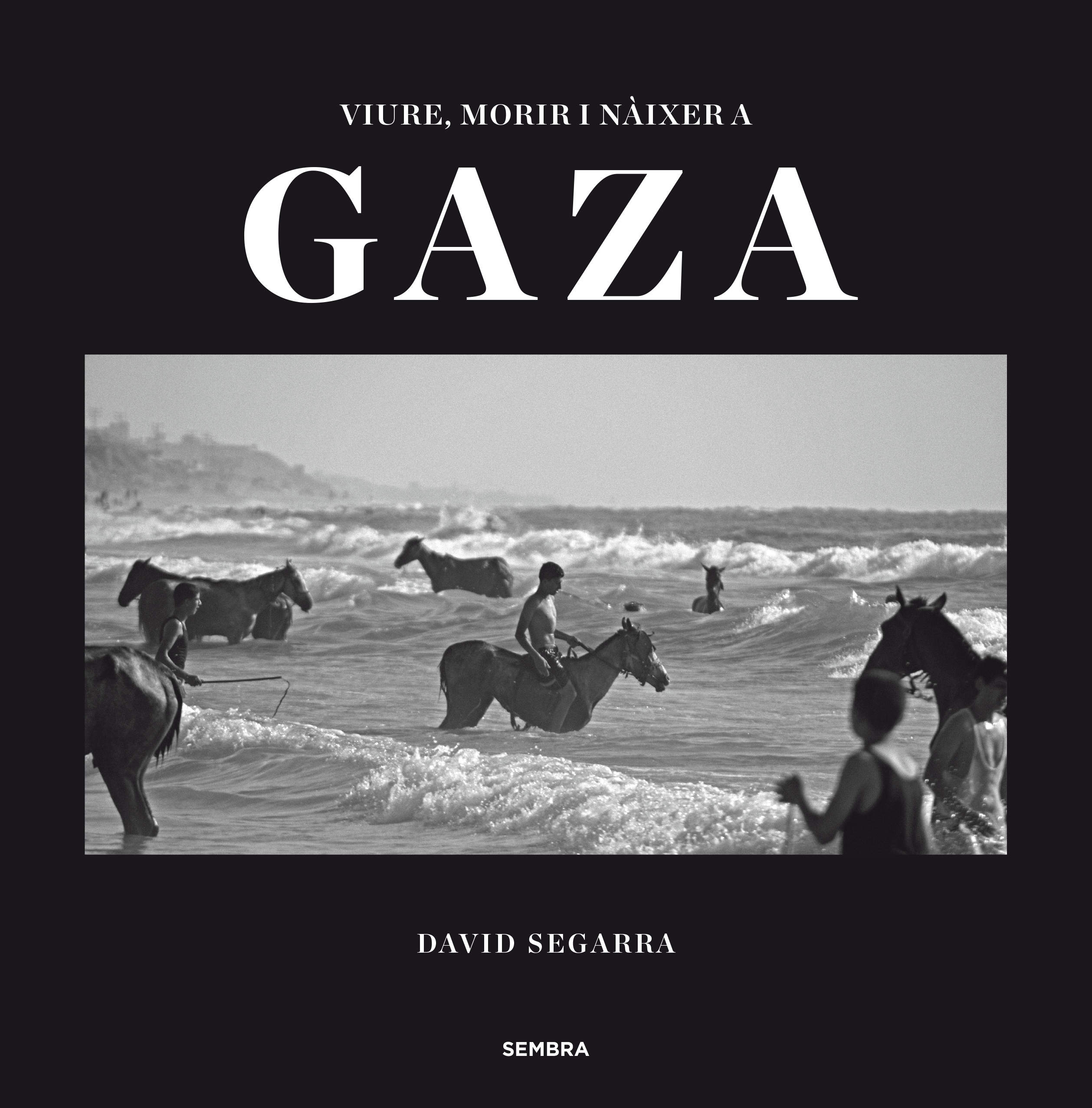
VIURE, MORIR I NÀIXER A GAZA
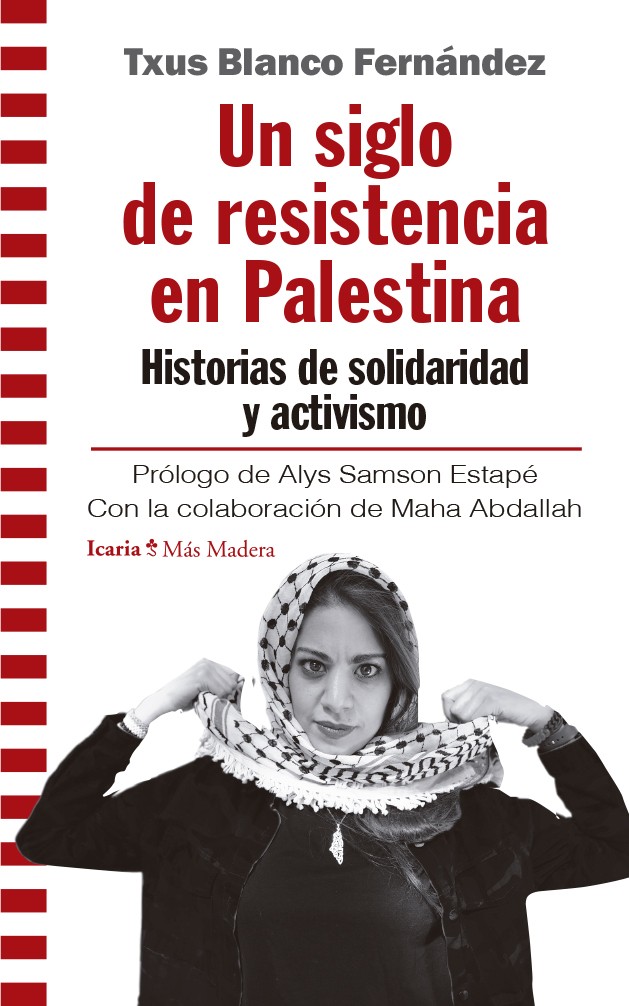
UN SIGLO DE RESISTENCIA EN PALESTINA
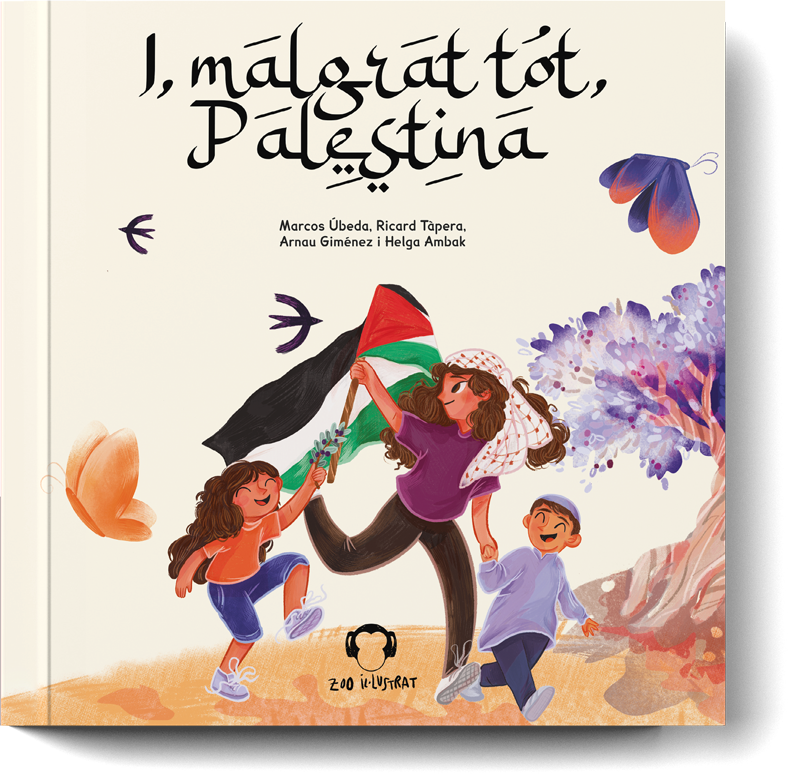
I, MALGRAT TOT, PALESTINA
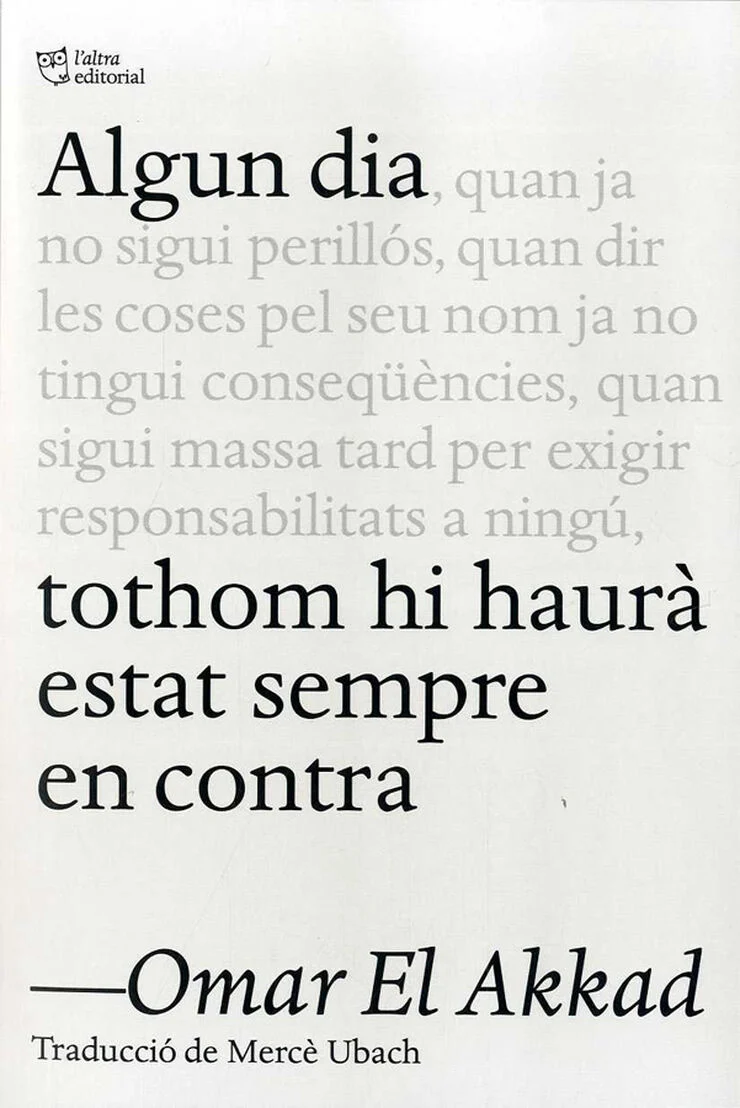
ALGUN DIA TOTHOM HI HAURÀ ESTAT SEMPRE EN CONTRA
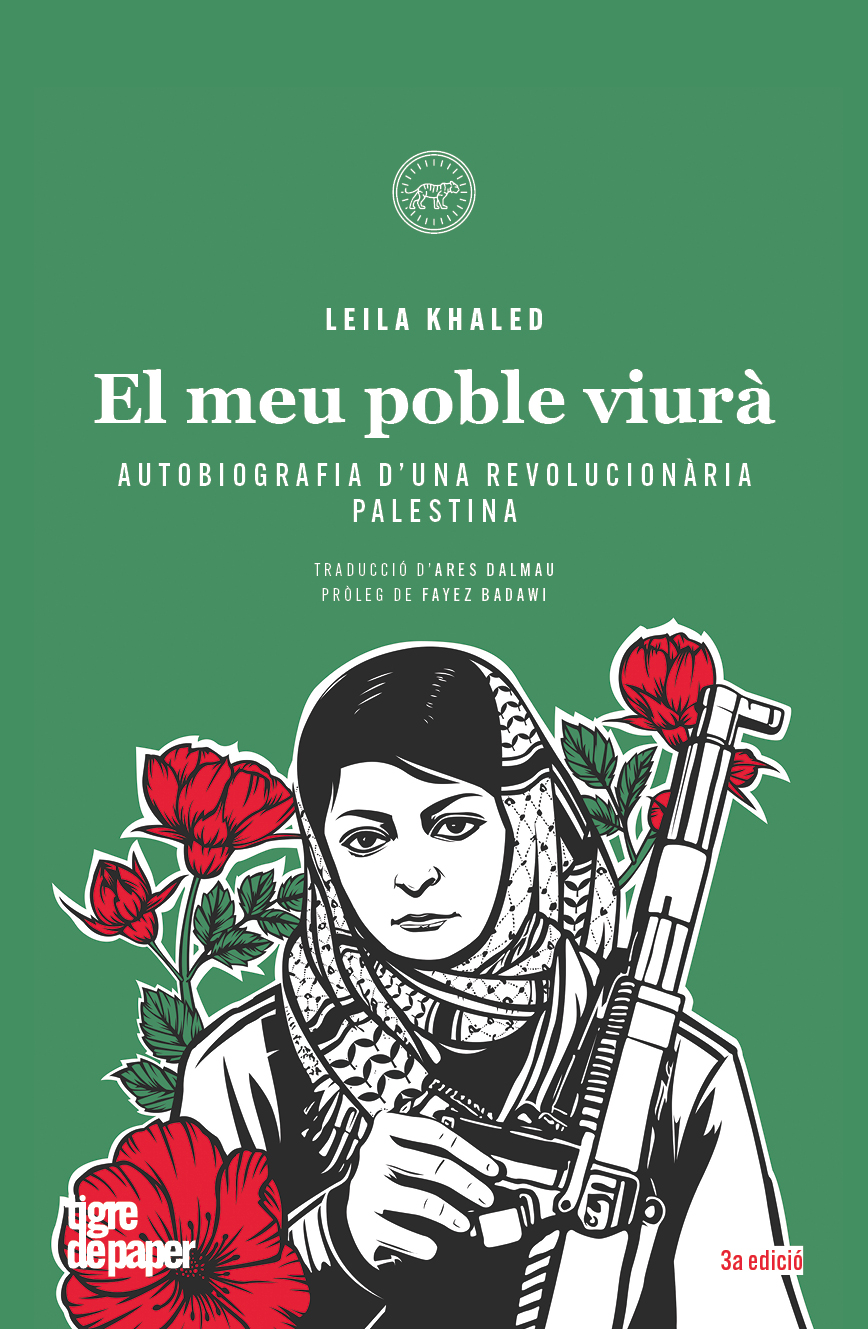
EL MEU POBLE VIURÀ
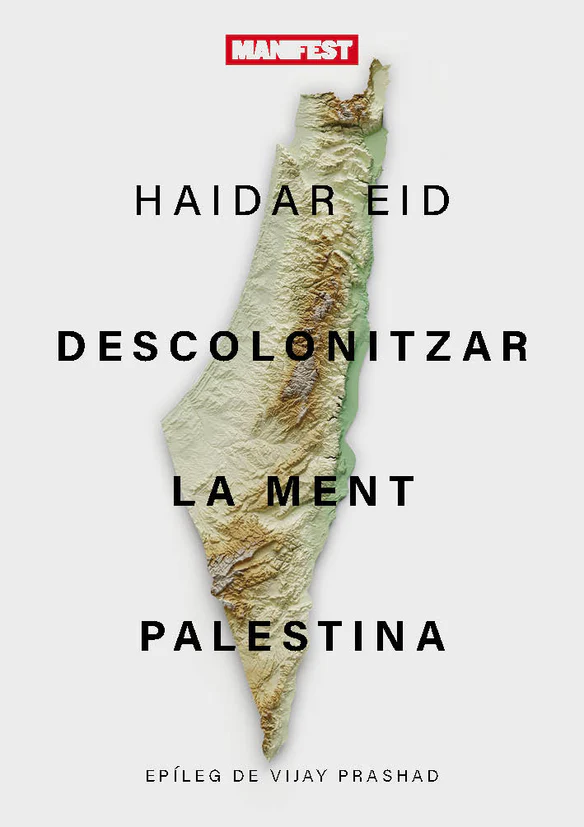
DESCOLONITZAR LA MENT PALESTINA
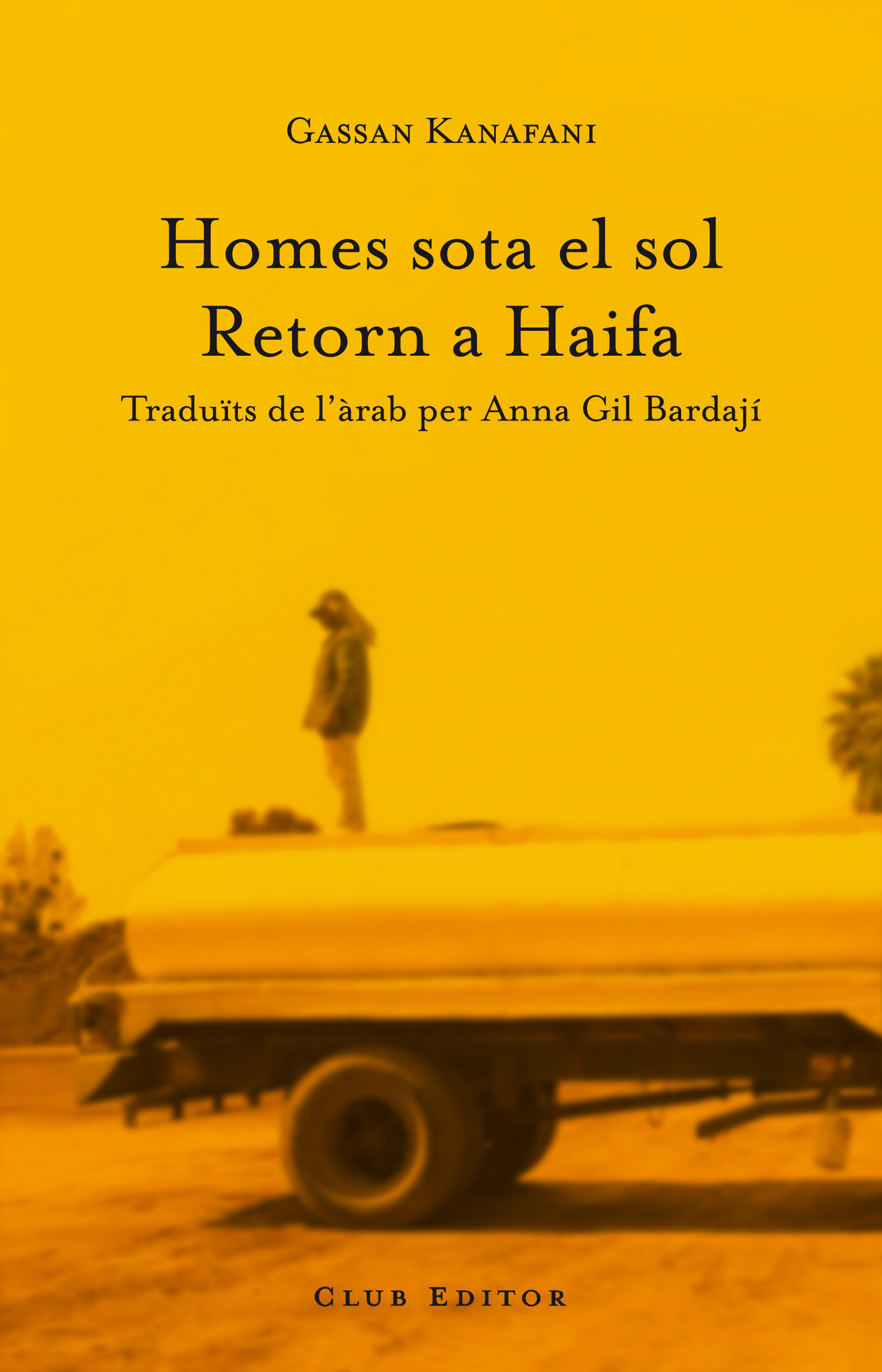
HOMES SOTA EL SOL
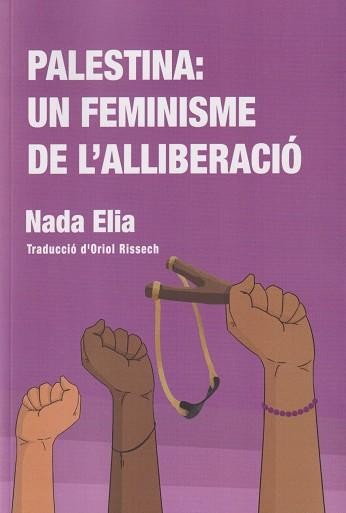
PALESTINA. UN FEMINISME DE L’ALLIBERACIÓ
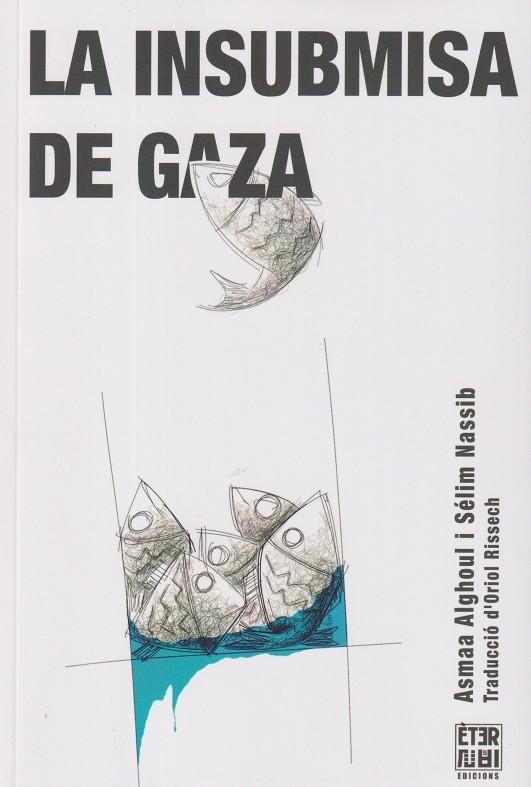
LA INSUBMISA DE GAZA
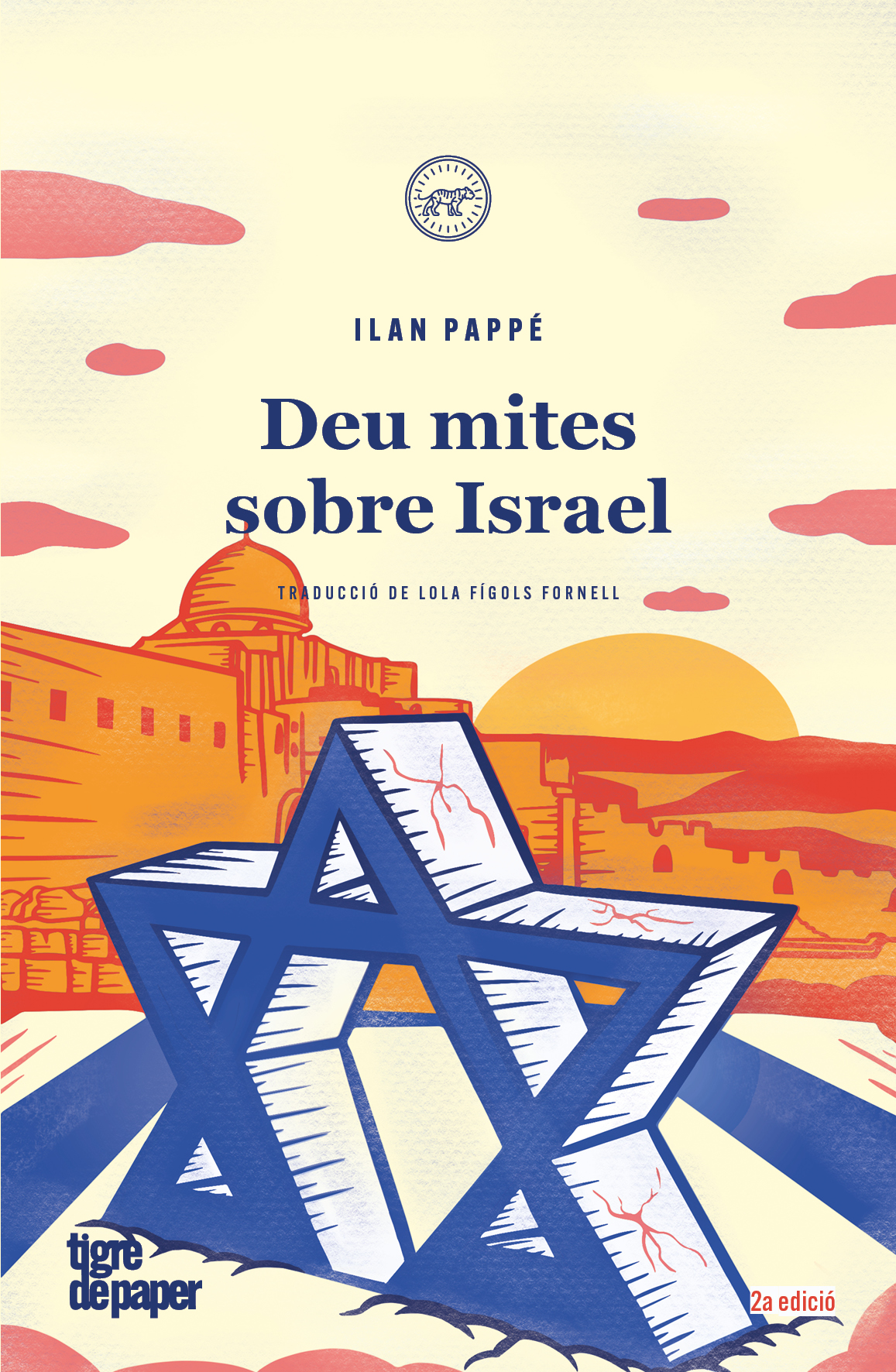
DEU MITES SOBRE ISRAEL
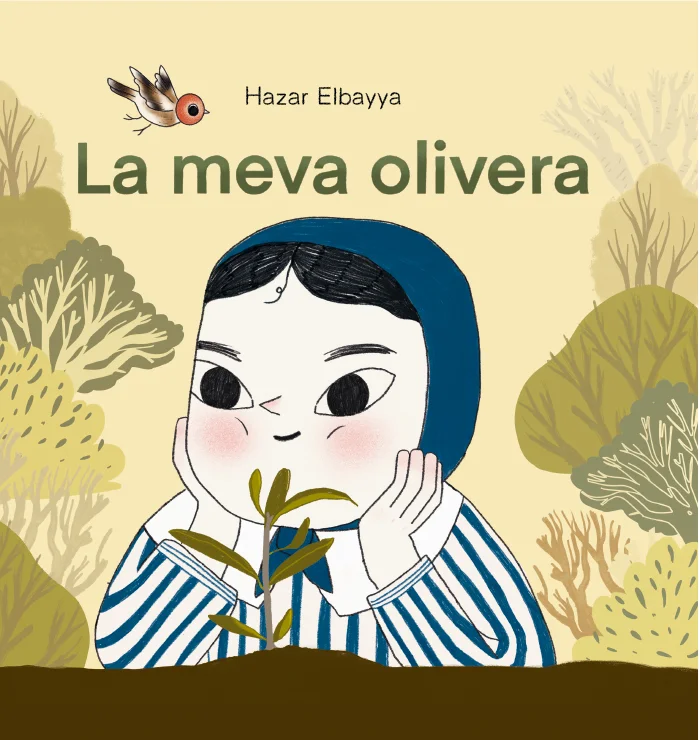
LA MEVA OLIVERA
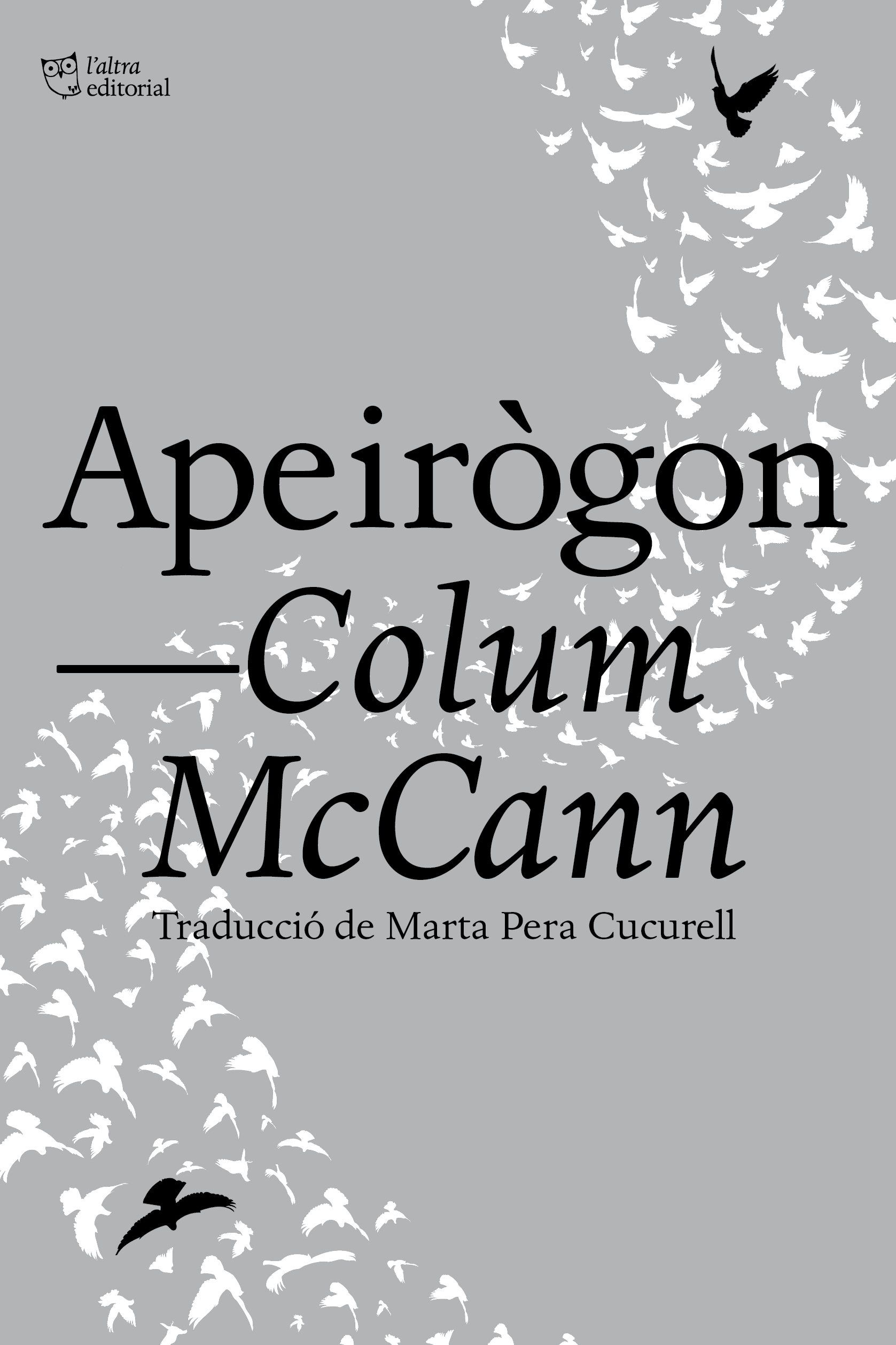
APEIROGON
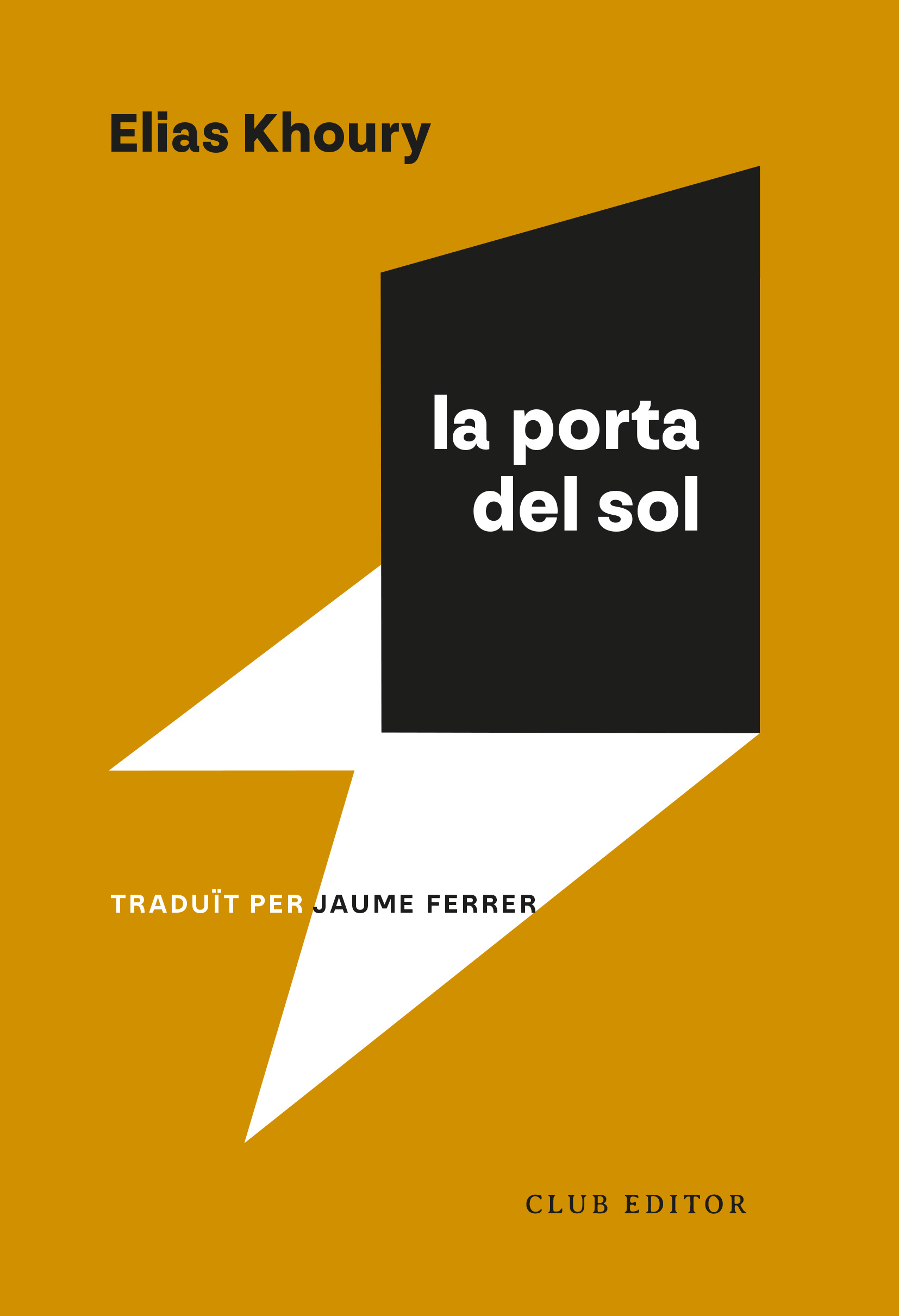
LA PORTA DEL SOL